Quest Layer ✦ Series
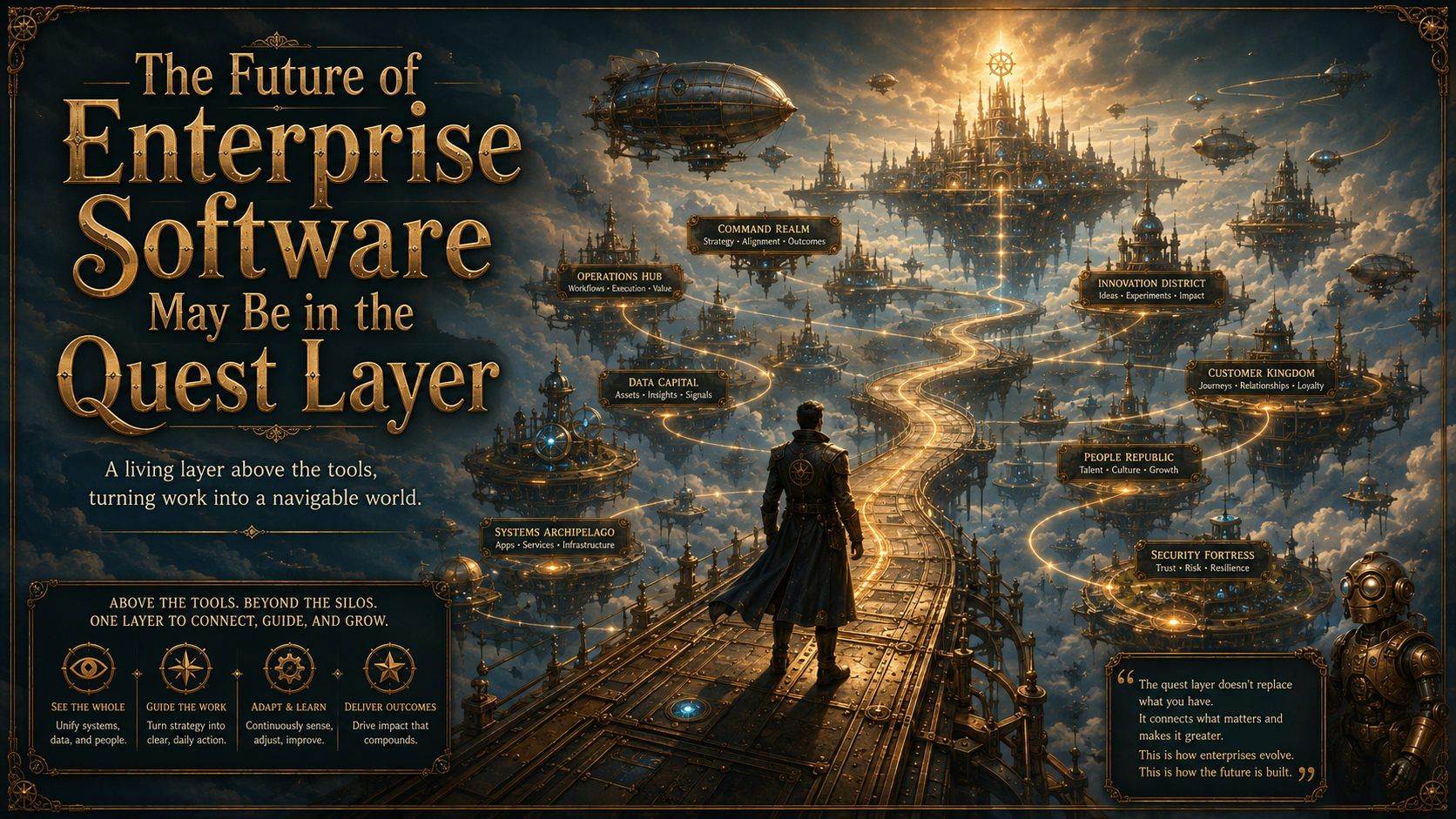
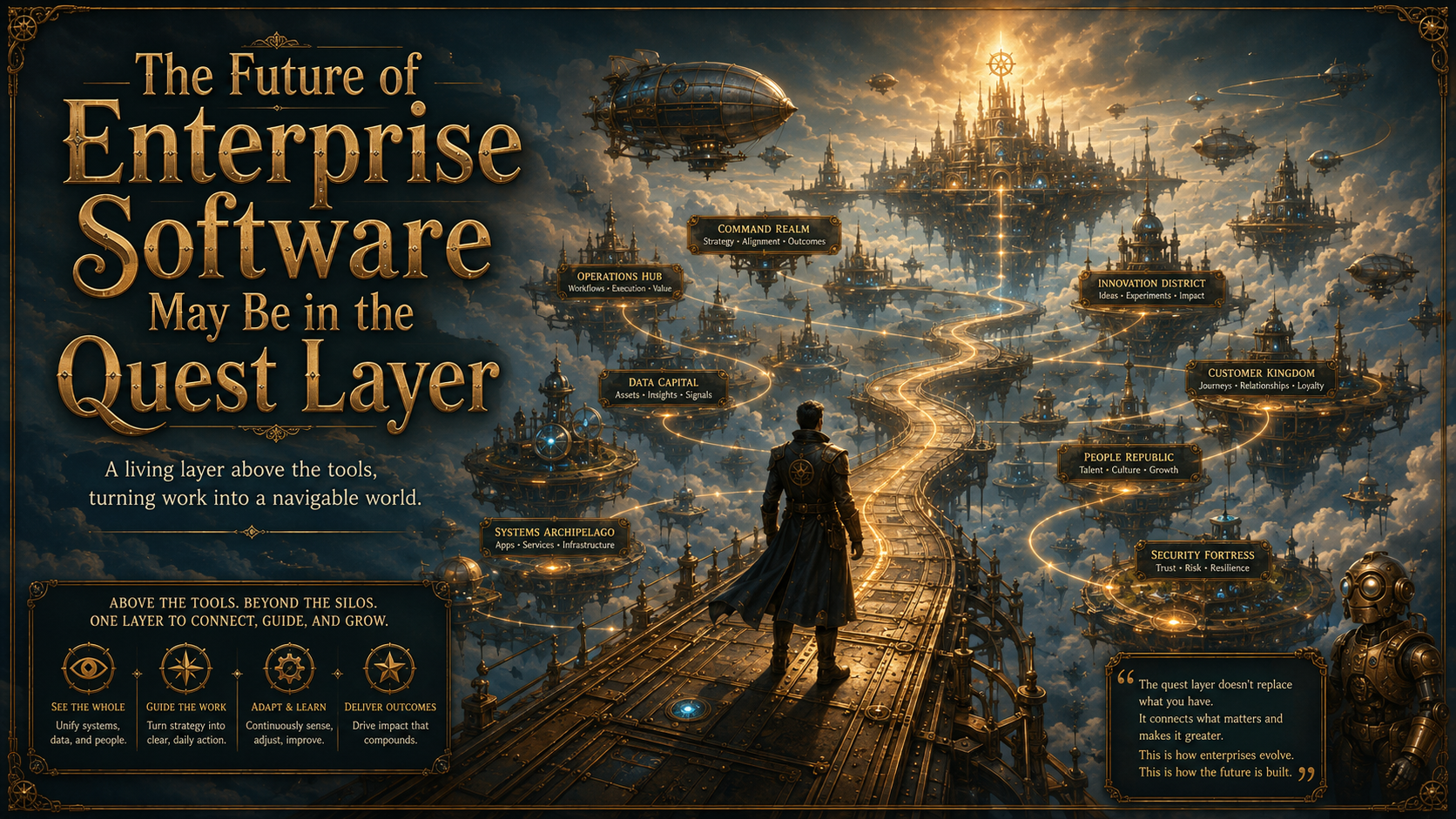
The Future of Enterprise Software May Be in the Quest Layer
We are no longer limited to the software categories vendors hand us. We can now build interfaces around the way our work actually works.
Governance without theater. Leadership as a way of being. Human operating systems. Field notes from the world that actually exists.
The point of AI is not to become a more efficient toaster.
Remembering is work. Noticing is work. It is just badly marketed.
One AI for everything eventually becomes a very articulate junk drawer.
Governance isn't a compliance checkbox. It's the architecture of accountability.
We are no longer limited to the software categories vendors hand us. We can now build interfaces around the way our work actually works.
The point of AI is not to become a more efficient toaster.
Remembering is work. Noticing is work. It is just badly marketed.
The late-night save is a signal: a broken system relying on one person's goodwill.
The right metaphor isn't decoration. It's how you know what you are building.
Governance isn't a compliance checkbox. It's the architecture of accountability.
What an embedded evaluator needs when the welcome meeting is over.
Independent assurance begins with the reviewer's ability to be wrong.
Following an AI decision back through the system that authorized it.
How assurance loses its connection to the thing we are actually running.
What continuity requires when the model changes and the work remains.
What a personal operating charter can contribute to behavioral evaluation.
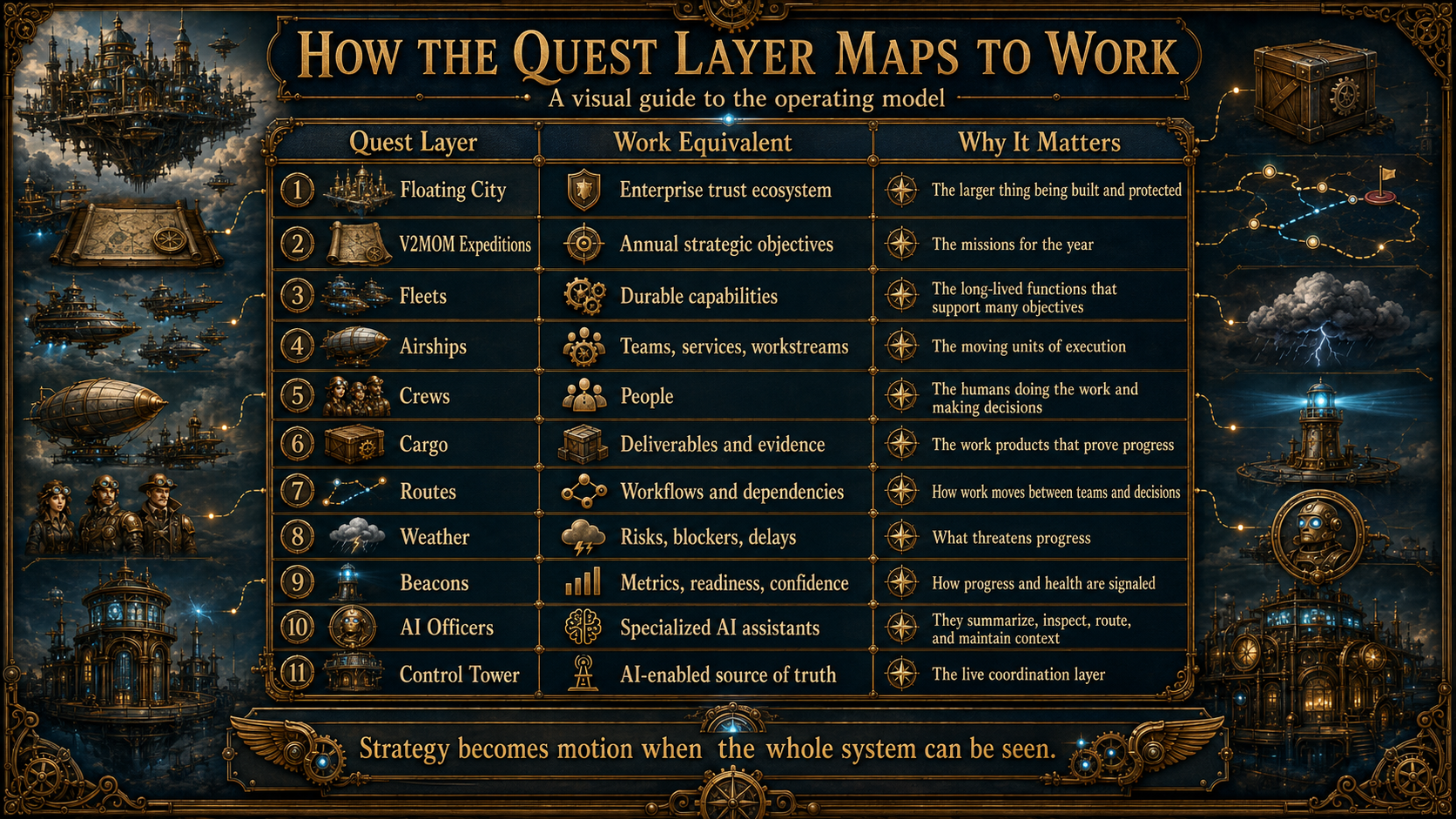
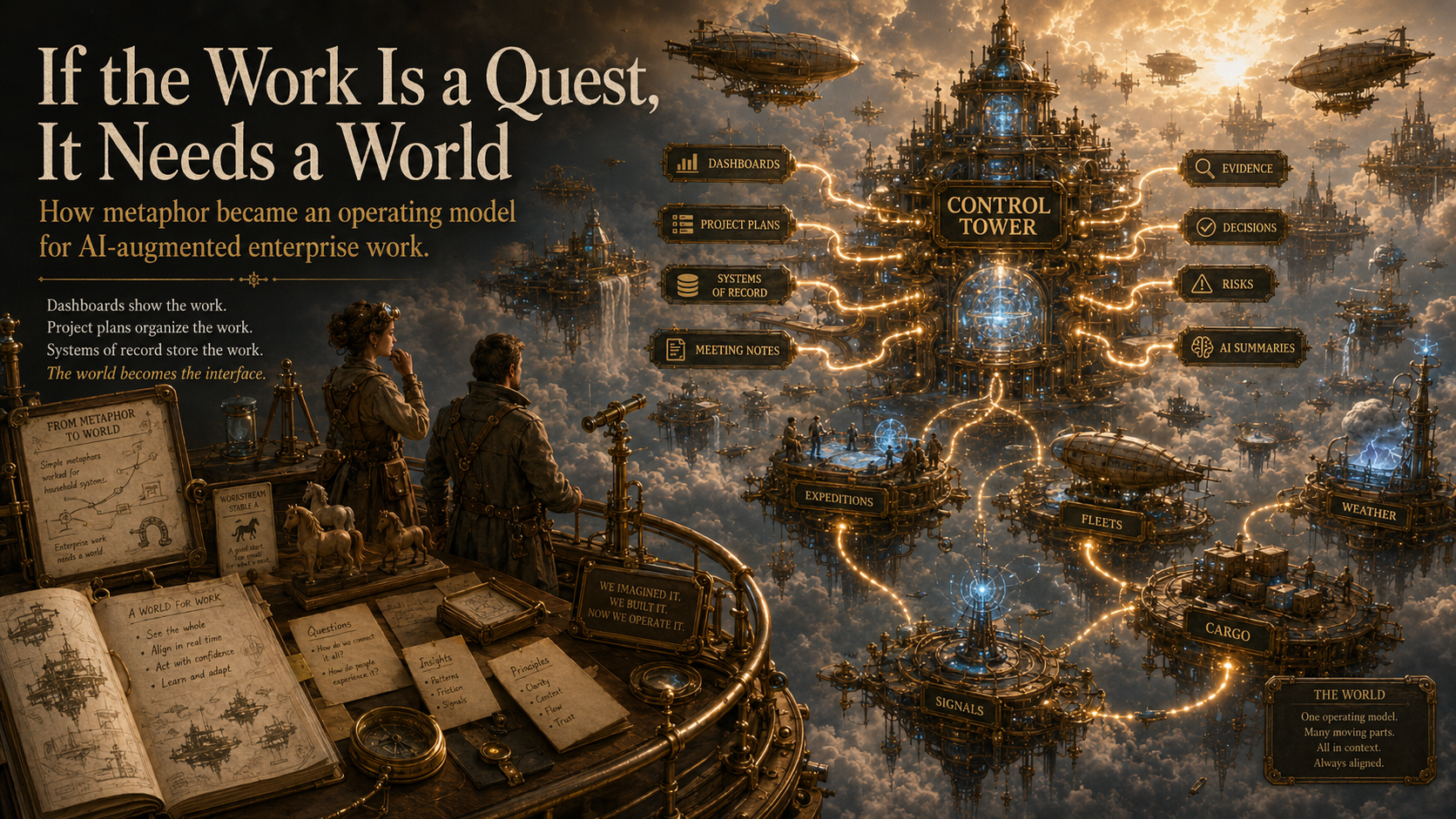
Every good metaphor has to come down from the clouds and pass through an operating model. Otherwise we have not built an operating model. We have built a screensaver with ambitions.
At some point in this whole thought experiment, I realized I was no longer just talking about dashboards.
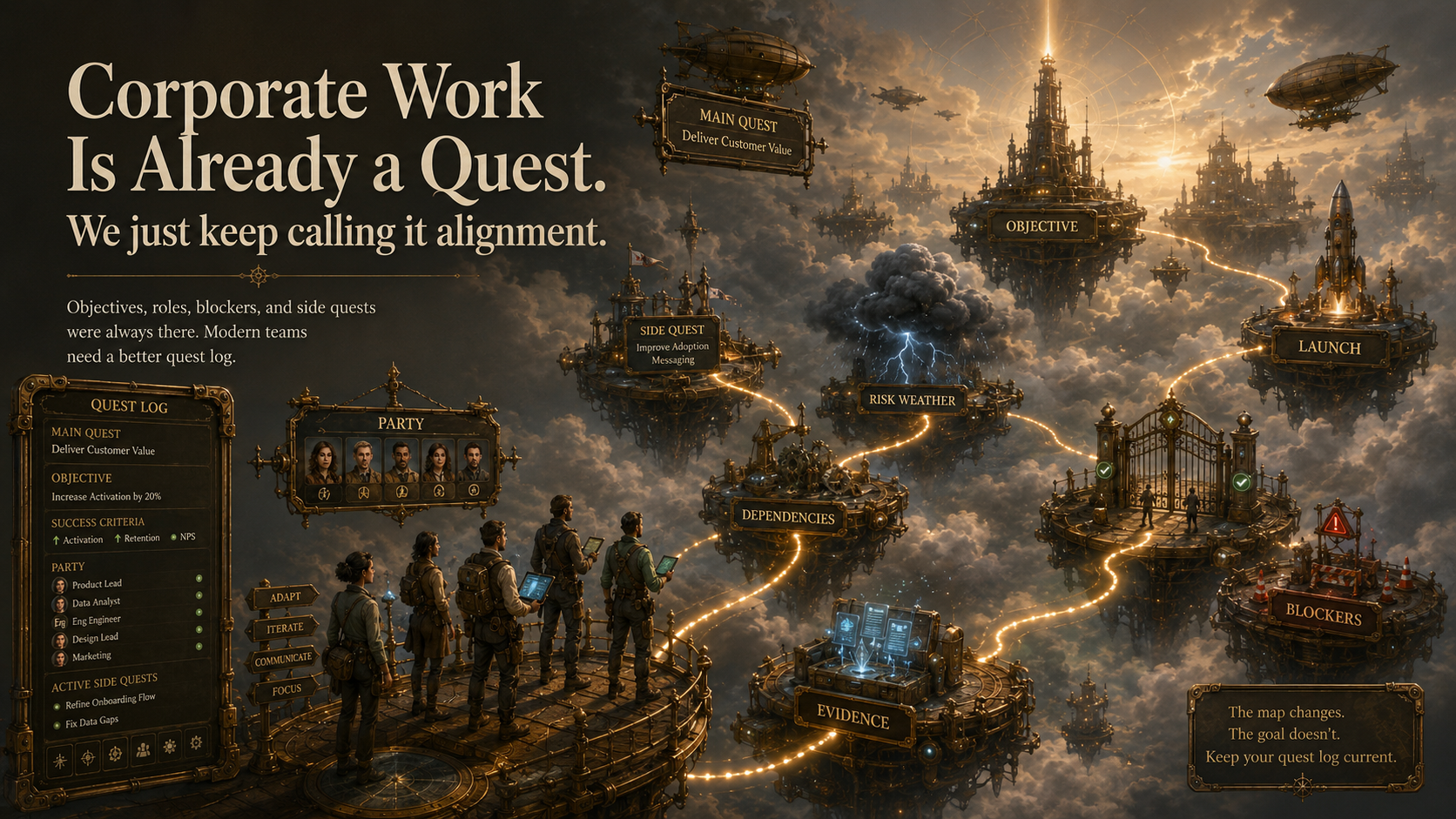
Alignment answers whether we are facing the same mountain. A quest guide helps us climb it.
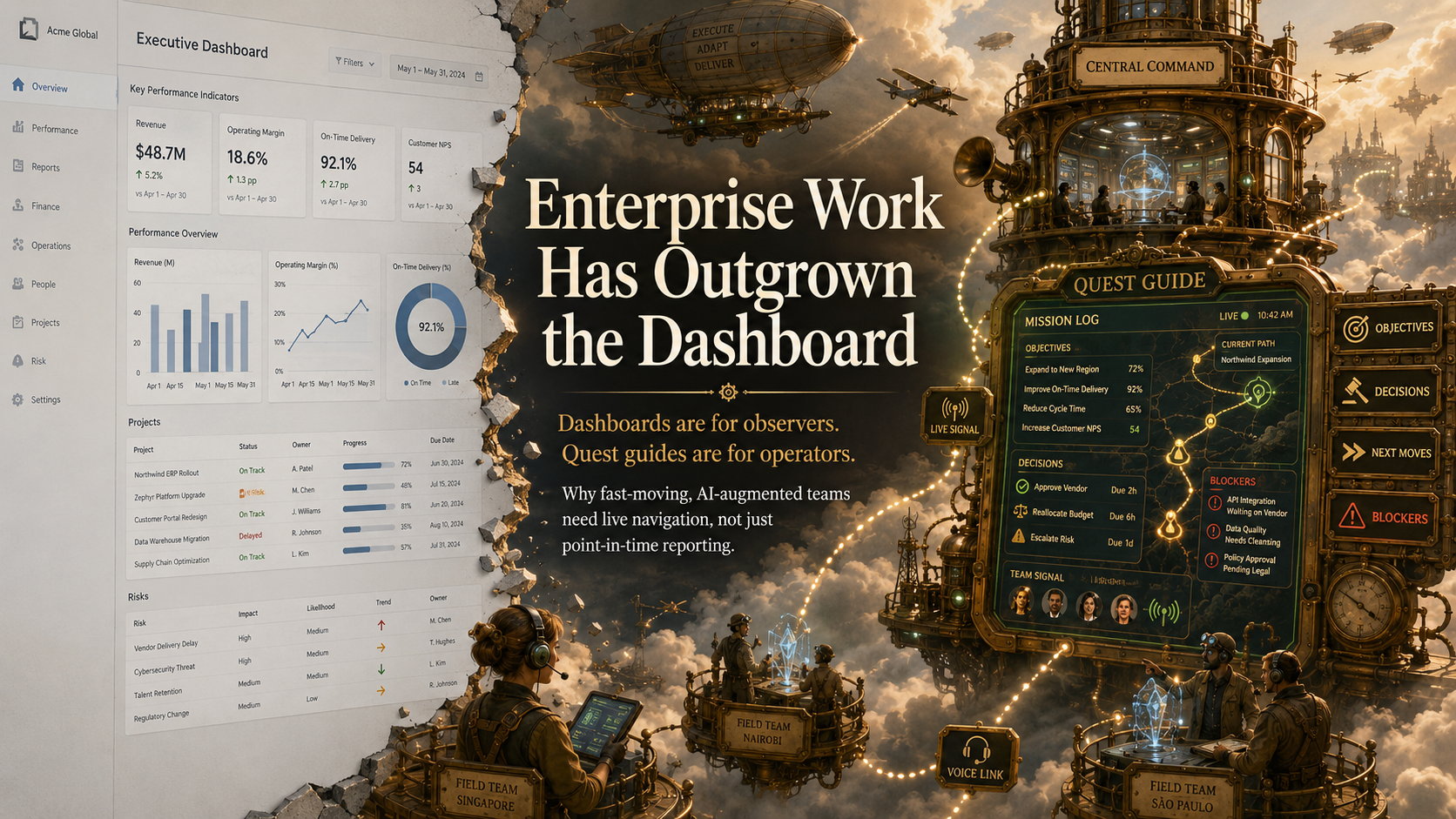
A dashboard tells observers what happened. A quest guide helps operators decide what to do next.
The Four Burners Theory says to turn one off. I think it was written for a different world.
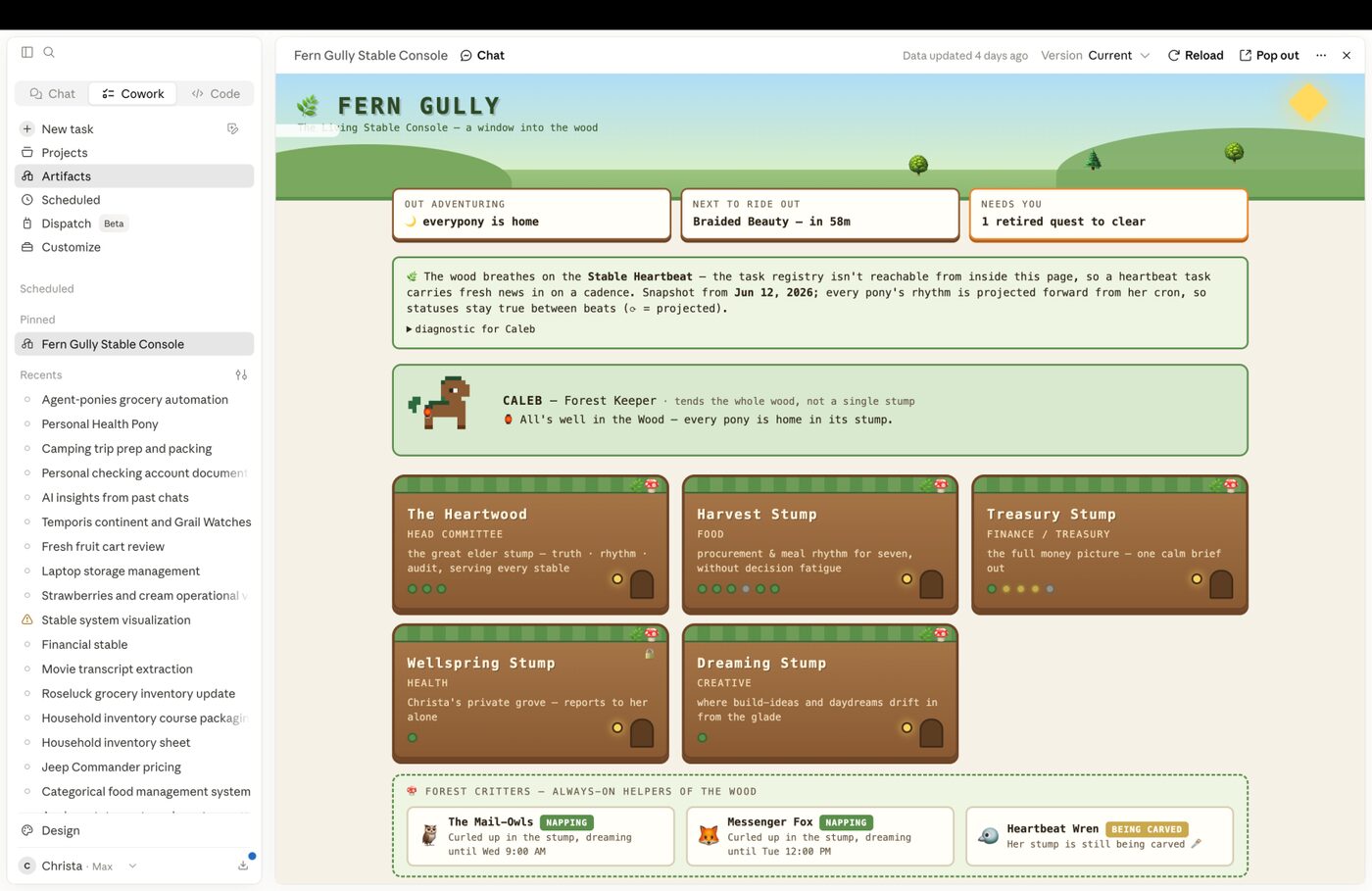
How do you connect dashboards, evidence, decisions, and AI summaries into something usable for the people actually doing the work?
AI that only helps us produce more artifacts has not solved the coordination problem. It has upgraded the fog machine.
We are no longer limited to the software categories vendors hand us. We can now build interfaces around the way our work actually works.
An approval requirement is a workload before it is a control.
Six rungs from chat to choreography — and why results feel inconsistent at rung three.
Prompting is asking better questions. Choreography is designing how intelligence moves.
When production becomes abundant, coherence becomes scarce.
Flat. Neat. Easy to consume. Missing several load-bearing ingredients.
Not vague productivity. Specific relief with receipts.
AI compounds when it helps create the thing that helps create future things.
A lot of AI value dies in the scroll swamp, where good ideas go to be vaguely remembered.
The answer helps once. The artifact helps again.
A small test for a very large claim about what all this capability is for.
It just happens. People feel it. People plan around it. Nobody owns it.
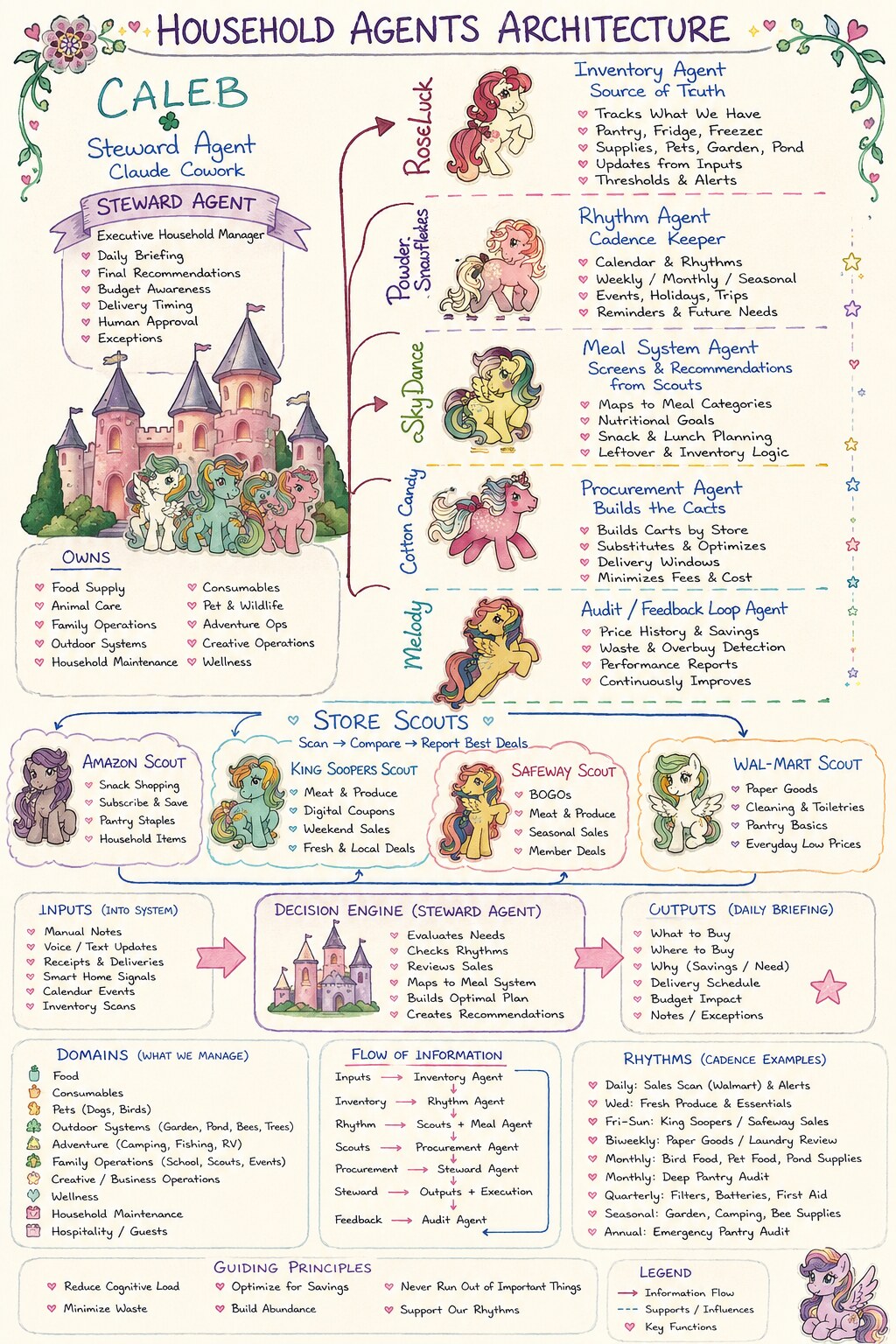
An assistant helps with a task. An ecosystem supports a pattern of work.
“Just help with stuff” is not a job description. It is how weird stuff happens.
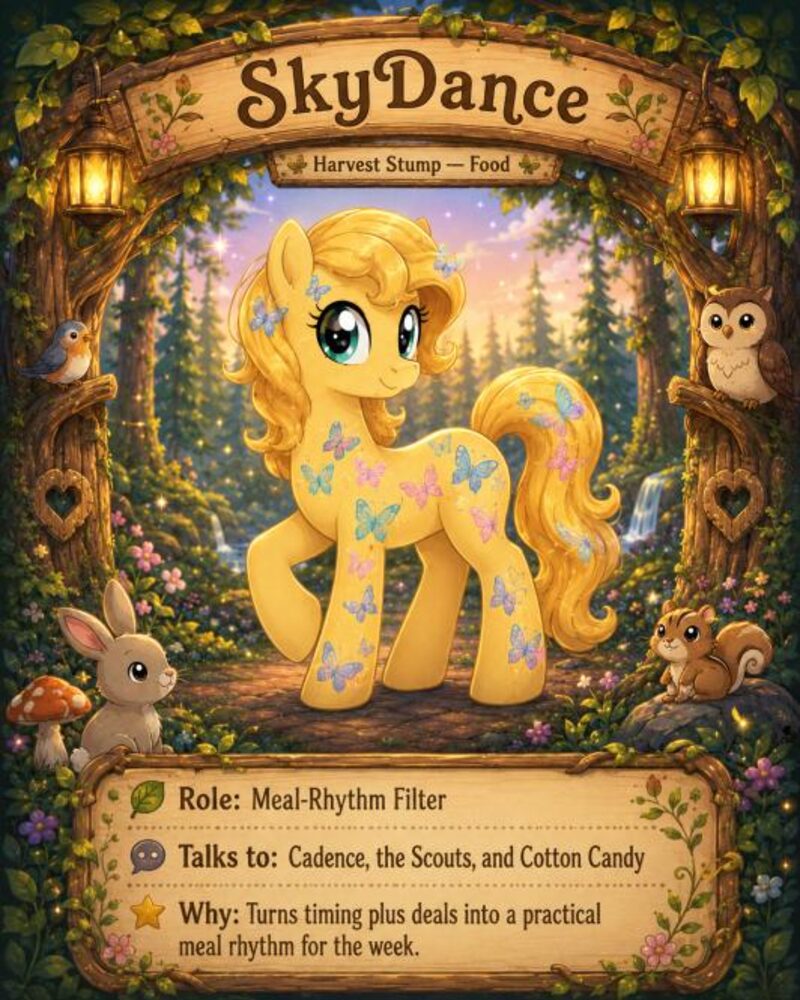
Human teams have roles for a reason. AI needs the same distinction.
Speed without margin is just burnout with better tooling.
When automation develops its own administrative ecosystem, it has started charging rent.
The point of AI is not to become a more efficient toaster.
Remembering is work. Noticing is work. It is just badly marketed.
By the time you start the real work, half your energy has already been mugged in the parking lot.
That is not a process. That is a scavenger hunt with legal exposure.
The worst time to document a decision is after something goes wrong.
You have to perform for reminders. You get to live in a system.
“Set it and forget it” is how rot gets a login. The better model is rhythm.
The late-night save is a signal: a broken system relying on one person's goodwill.
I have been the human copy-paste bridge. The bridge is tired.
Be suspicious of small requests. Many of them are secretly recurring workflows.
Ask AI for a grocery list, and it will reveal the operating system underneath your life.
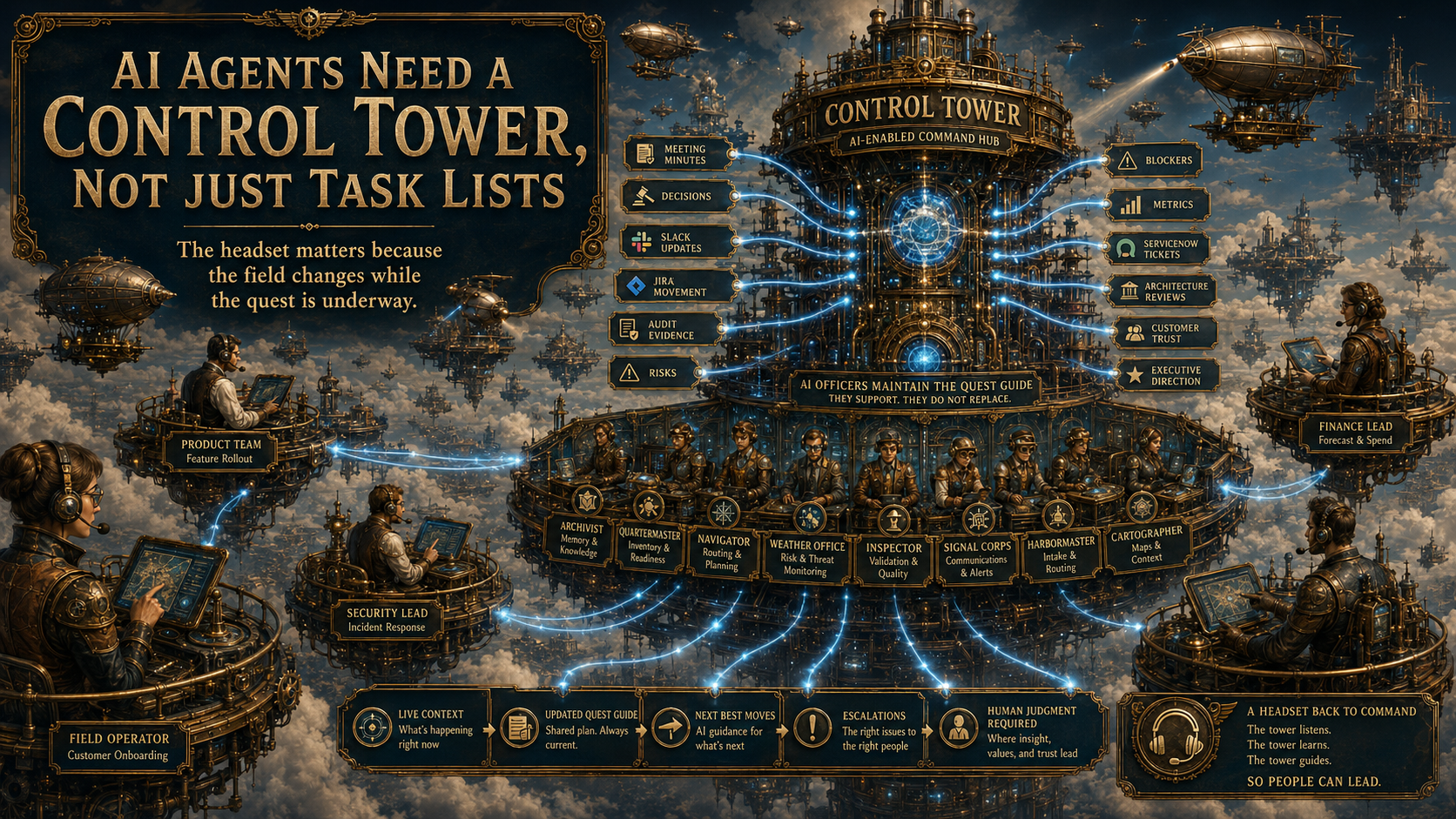
A human reviewer at the wrong point is not governance. It is theater with a comments field.
Most leaders are not lacking judgment. They are lacking clean inputs.
The right metaphor isn't decoration. It's how you know what you are building.
“Just help with this” is a creativity engine. It is not a system.
One AI for everything eventually becomes a very articulate junk drawer.
The organizations that will thrive aren't the ones moving fastest. They're the ones moving wisest.
Governance isn't a compliance checkbox. It's the architecture of accountability.
Most public conversation about AI swings between utopia and apocalypse. There's a better way.
Governance without theater, AI without hype, and the systems that carry a real life — plus first word on new field guides and the book. No noise, no daily drip. Written by me, at this desk, usually with a watch movement in pieces somewhere nearby.